
Cheap Backyard Ideas That Improve Curb Appeal
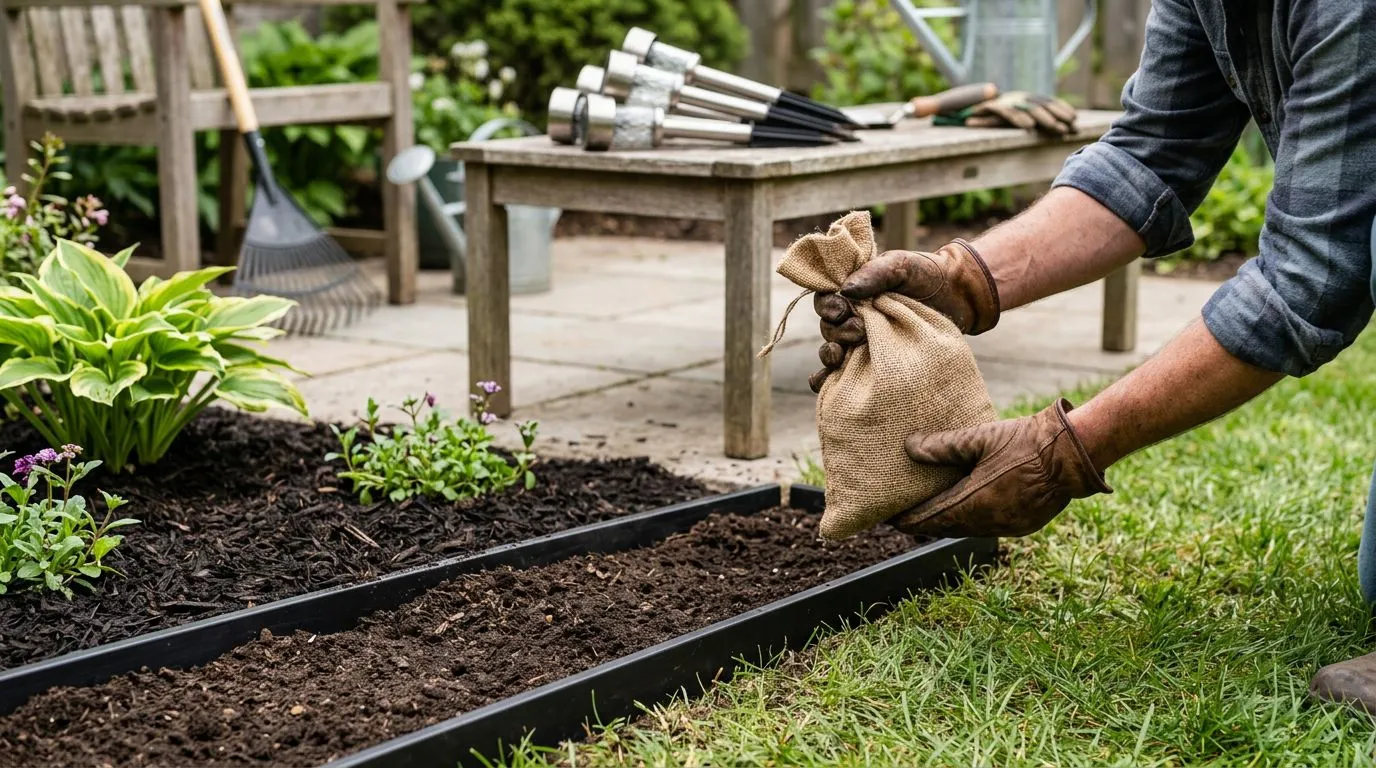
Cheap backyard ideas can improve curb appeal by making the yard look organized, finished, and easy to read from the street. The quickest wins are usually a clean edge, fresh mulch, simple seating, and low lighting, since those changes add structure without turning into a full landscape project.
Key takeaways
- Mulch costs about US$3 to US$6 per bag and can transform tired beds in one weekend.
- Solar path lights are a fast win, usually taking 20 to 45 minutes to install.
- Landscape edging gives the sharpest visual line, and small borders can be done in 3 to 6 hours.
- A simple seat matters more than extra decor if the yard has no clear place to sit.
- Spend a little more on edging and outdoor lighting, but save on mulch and decorative fillers.
What cheap backyard ideas improve curb appeal fastest?
A clear path, tidy borders, visible seating, and even lighting stand out first from a distance. Those are the details that make a backyard feel intentional. Crooked edges, cluttered corners, and random pots do the opposite, making it look like the work stopped halfway through.
Cleanup and structure usually matter more than decor. A swept patio, trimmed bed edge, and one or two well-placed features can change the look of the whole yard faster than buying more ornaments, especially if the space already has good bones.
The common mistake is spending on objects before fixing the frame around them. If the lawn edge is ragged or the planting bed spills into the grass, even attractive furniture or planters can look like they were dropped in by accident.
This guide stays in the low-cost lane. It focuses on quick upgrades you can do with basic tools and weekend time, not hardscape rebuilds, irrigation work, or major planting plans.
Cheap backyard upgrades ranked by impact and material cost
| Upgrade | Typical material cost | Visual impact | Install time | Best use case | Beginner difficulty |
|---|---|---|---|---|---|
| Mulch | US$3 to US$6 per bag for basic bark mulch | High, especially around foundation beds and trees | 2 to 4 hours for a small yard | Tired beds that need a clean, uniform look | Easy |
| Landscape edging | US$2 to US$8 per linear foot depending on material | High, because it sharpens the outline of the yard | 3 to 6 hours for a small border | Beds and lawn strips that need definition | Easy to moderate |
| Simple seating | US$40 to US$200 for basic chairs, benches, or DIY cinder block and board setups | Medium to high, because it makes the yard feel usable and finished | 1 to 4 hours | Bare patios, gravel corners, or blank side yards | Easy |
| Solar path lights | US$15 to US$40 for a small pack of lights | Medium, strongest after dusk | 20 to 45 minutes | Paths, gate approaches, and bed edges | Easy |
How to prioritize seating, lighting, and edging
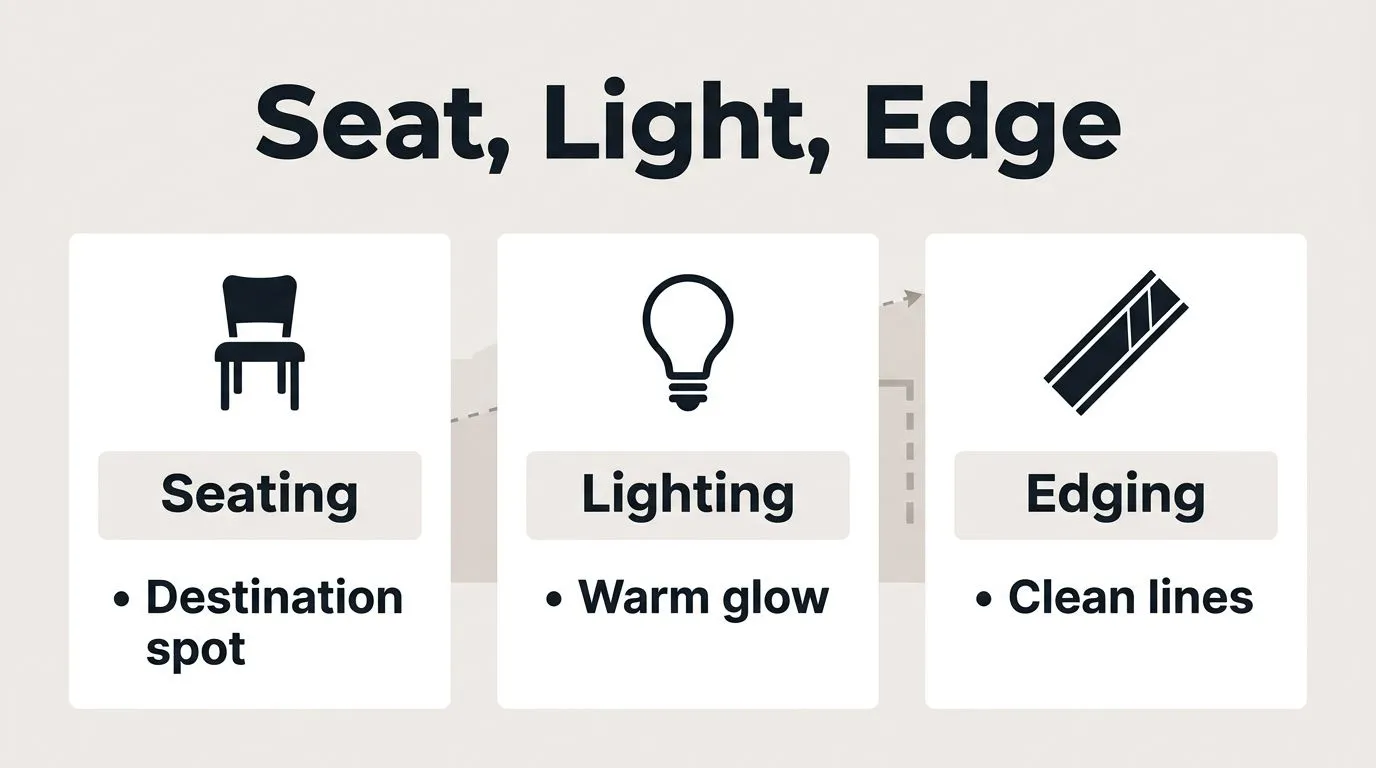
- Seating gives the yard a destination. A simple bench, two Adirondack-style chairs, or a DIY block-and-board setup makes an empty space look planned instead of abandoned. Cinder blocks can work for a fast DIY base, but the top surface has to be level and the board must be rated to carry weight; the mistake that ruins it is an uneven base that makes the seat wobble.
- Lighting solves the night view. Solar path lights are the easiest place to start because they need no trenching or wiring, and 3M outdoor landscape lighting products are a better fit when you want a more finished perimeter or a longer-lasting upgrade. If the area gets little sun, solar lights underperform, so that is the point to skip them and put the money into something that does not depend on charging.
- Edging creates the sharpest visual line. Plastic edging is the cheapest, metal edging stays straighter, and brick or stone gives the most finished look. The trade-off is that cheaper edging is faster to install but more likely to bow or shift if the soil is soft or the curve is tight.
- The quick priority rule is simple: if the yard has no place to sit, start with seating; if the yard disappears after sunset, start with lighting; if the lawn and beds blur together, start with edging. The right first project is the one that fixes the biggest visual problem, not the one with the lowest sticker price.
Weekend backyard projects beginners can actually finish
- Refresh mulch and clean the bed edges. Pull weeds, rake out dead leaves, and spread mulch to a depth of about 2 to 3 inches. That depth covers bare soil without burying plant crowns, and the most common mistake is piling mulch against trunks or stems.
- Install solar lights along a path, patio edge, or seating area. Space them evenly, usually every 6 to 8 feet for a small path, and press the stakes firmly into firm soil. If the ground is too hard or full of roots, a hand trowel helps open a pilot hole so the stake does not bend.
- Set edging around a small flower bed or narrow lawn strip. Mark the line first, then dig a shallow trench just deep enough to hold the edging upright and stable. The error that makes edging look cheap is rushing the line, because every curve and corner becomes obvious once the material is in place.
- Build or place low-cost seating. For ready-made pieces, choose something that sits level on the surface you already have. For a DIY block-and-board setup, dry-fit the pieces before you commit, because uneven blocks or a warped board create a crooked seat that looks unsafe even if it is not.
Where to save and where spending a little more pays off
Save on decorative fillers, mulch, and simple accents, because those are easy to swap later. A bag of mulch or a basic solar light pack can improve the yard now without locking you into a long-term design choice.
Spend a little more on edging, weather-ready lighting, and seating that stays stable. Straight edging holds the whole layout together, and a flimsy border or wobbly bench can make the rest of the work look cheaper than it was.
The cheapest option is fine when the goal is a short-term cleanup before listing, hosting, or repairing a neglected corner. A slightly better-grade material pays off when the yard gets regular rain, sun, or foot traffic, because one season of sagging or fading can erase the upgrade effect.
For a yard that already has decent plantings, better edging or more durable lights often does more than another decorative object ever will.
How to budget and where to buy discounted materials in the U.S.
A realistic starter budget for a small backyard refresh usually comes from bags of mulch, a pack of solar lights, a short run of edging, and one seating solution. That keeps the project focused and helps you avoid the common mistake of buying too many different materials before the first section is finished.
Home Depot and Lowe's are the easiest places to compare basic pricing, especially for mulch, edging, and outdoor lighting. Local garden centers can beat them on some plant-related items, while clearance aisles and seasonal markdowns are where you find the cheapest leftover stock after peak spring and summer demand.
Pickup is often cheaper than delivery when the order is small. But if you're buying several heavy bags, long edging sections, or a bulky bench, one delivery fee can cost less than multiple car trips and save the weekend from turning into a loading job.
Prices change by region and season, so the number on the shelf tag is the only one that matters. Check local store pages before you go, and if a product is sold by the foot or by the bag, confirm the coverage so you don't underbuy and end up with a mismatched finish.
Conclusion
Your next decisions are straightforward: choose the surface you're improving, because that determines whether you need edging, mulch, or seating; decide how permanent the change should be, because that determines whether cheap materials are enough; and check the local price before buying, because seasonal U.S. store pricing changes the best-value choice more than the label does.
Frequently asked questions
How do I make a backyard look better without planting anything?
Clean-up and structure do most of the work. A swept patio, trimmed edges, low lighting, and a simple seat can make the yard look intentional even if there are almost no plants. If the borders are ragged, fix those first, because good decor looks out of place when the frame is messy.
What is the cheapest backyard upgrade with the biggest visual payoff?
Fresh mulch is usually the lowest-cost change with the fastest visual payoff, especially in beds that already have a decent shape. Clean edging is a close second because it sharpens the outline of the yard and makes everything look tidier from the street.
Can I do cheap backyard upgrades in one weekend?
Yes, if you keep the scope small. Mulching, setting solar path lights, edging a short bed, or putting together simple seating are all realistic weekend projects for a beginner, and most of them do not require wiring or heavy equipment.
Should I buy backyard materials from a big-box store or a local nursery?
Big-box stores are usually the better starting point for mulch, edging, and basic outdoor lighting because the prices are easy to compare. A local nursery can be worth the extra cost if you need stronger plant quality, regional advice, or a product that fits your climate better.
What should I upgrade first if my yard is small?
Start with the edges and the lighting, because they make a small yard look cleaner and more finished right away. If the space also has no place to sit, a simple seat can matter more than another decorative piece.